- CybAfrique Newsletter
- Posts
- A (Russian) guide to information manipulation
A (Russian) guide to information manipulation
Inside: this week in African cybersecurity breaches (and spoilers for the Black Panther movie)

CybAfrique Media
March 28, 2026
CybAfriqué is a space for news and analysis on cyber, data, and information security on the African continent.
HIGHLIGHTS
A (Russian) guide to information manipulation
Already know about FIMI? Skip to the sixth paragraph.
If you do not like that Killmonger never became king of Wakanda and you had some resources to spend on that, here’s how you could ensure he became king instead of T’Challa. First, you would connect with a bunch of Wakandan internet influencers, some quasi-journalism outlets, and some bot farms.
The influencers and quasi-journalism outlets would be paid to share information about T’Challa’s father, T’Chaka, killing Killmonger’s dad. In this fictional world, this is true information, even though stripped off context. The influencers, supported by bot farms will propagate this until it is a public conversation. The network will continue seeding bad narratives against T’Challa, but also be sure to 1, coordinate attacks on anyone attempting to sway the conversation otherwise and 2, make sure the context remains flat.
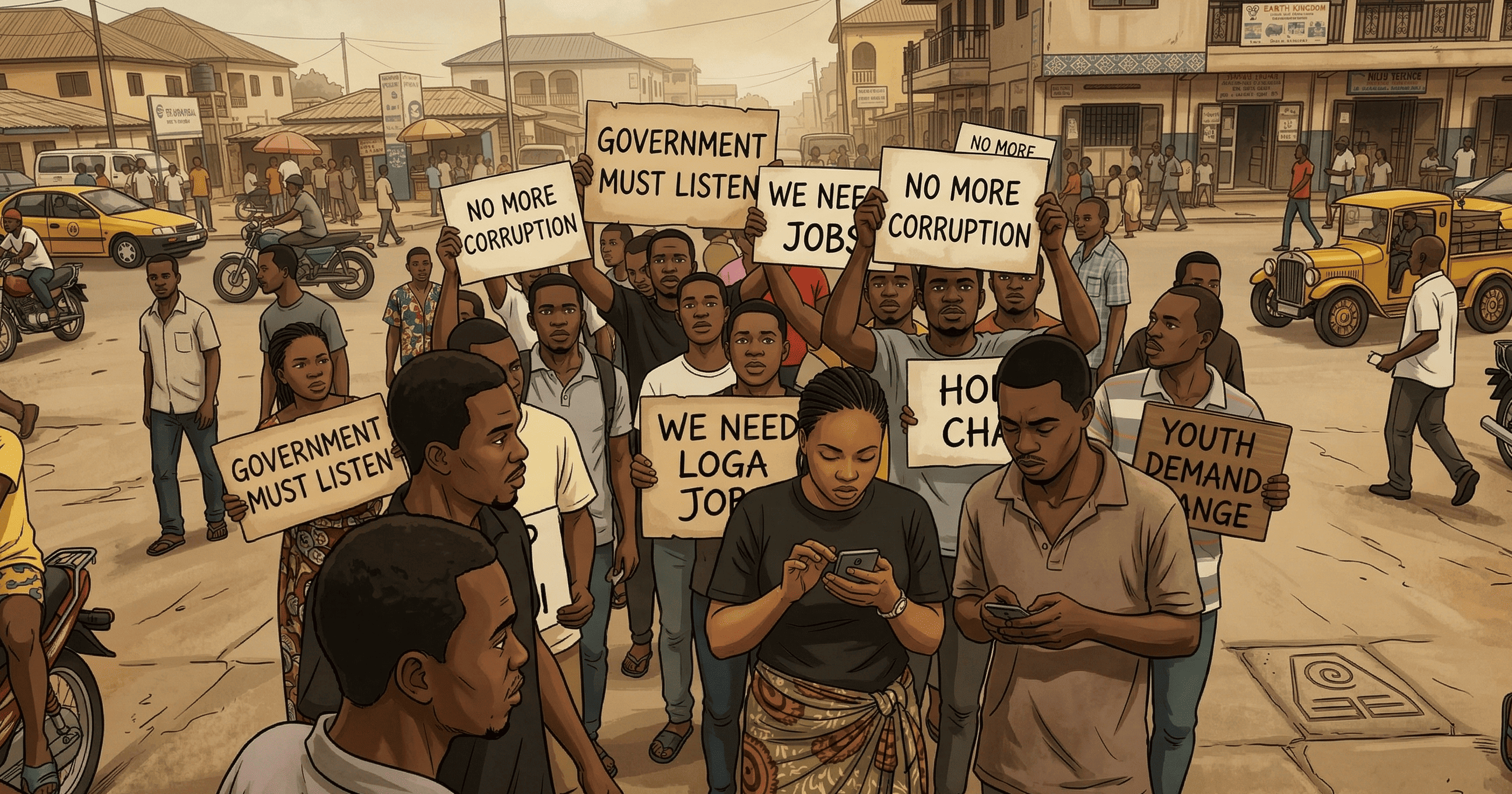
After a while, you will start seeding small protests via the influencers. You will pay influencers to pay people to stage protests calling out the now apparent hypocrisy of the T’Challa family and by extension, requesting for his resignation. At this point you can hope the protests take an organic root like the internet trends, but whether or not it does, you’ve systemically mangled the perfect, unquestionable picture of T’Challa. He probably will not win the next election. Killmonger wins and as a sign of appreciation for all your help, he will give you exclusive Vibranium mining rights. You could use that to fund more projects, or an imperialist war near your house.
This was, until very recently, legal in most African countries. In fact it's still somewhat legal, with the exceptions of countries with new, controversial cybercrime laws.
Experts call it FIMI, which stands for Foreign Information Manipulation and Interference. It typically is defined as foreign parties meddling in the political atmosphere of a sovereign country by manipulating the information ecosystem. This includes good old “fake news”, but also “real news” co-ordinatedly shared to achieve similar results. In Africa, Russia, China, and the UAE are the most popular purveyors of FIMI.
In Angola, Africa’s first FIMI court trial might be on the way. Earlier this week, the BBC reported that two Russians nationals were presented to court for attempting to sway political direction. Igor Ratchin, a political consultant, and Lev Lakshtanov, a translator, were arrested in August, facing 11 charges including terrorism, espionage and influence peddling. Prosecutors allege the pair ran a network that glorified military rule and seeded disinformation. The group is believed to have emerged from structures associated with Russian disinformation architecture on the continent.
According to the African Centre for Strategic Studies, more than 39 African countries are subjected to disinformation campaigns. Russia, being the most prolific, have targeted Sahelian and francophone countries, but might also be including Lusophone countries. Countries like Guinea-Bissau, which recently experienced a coup, have also been subjected to Russian FIMI campaigns.
Angola’s effort to try the case is also a statement attempt. Since João Lourenço took power, he has moved away from the traditional Russia-Angola military bond toward U.S. and EU investment. Some local analysts suggest the case is also meant to signal to Western partners that Angola is no longer a safe harbour for Russian covert influence. Angola has also been careful with naming specifics about the case, such as local collaborators.
This week in African cybersecurity breaches
This week, CyHawk Africa reported that Tunisian ISP GlobalNet has been breached. Dark07x claimed responsibility for infiltrating GlobalNet’s infrastructure and exfiltrating sensitive databases, including subscriber personal data and administrative credentials.
In the past two weeks, we have tracked at least three other breaches in African countries, including the Namibia Airports breach, the Land Bank attack in South Africa and the Guatang Province breach in South Africa. All these breaches exposed important data and infrastructure in all these countries.
FEATURES
HEADLINE
Nigeria to spend $6.1 million on consultants for national fibre project
Namibia blocks Elon Musk’s Starlink from operating in the country
CIPESA welcomes the annulment of sections of uganda’s computer misuse act
IFC commits $45 million to solar-powered telecom sites in Ethiopia, Liberia, Sierra Leone
Burundi’s mobile money Users Targeted by rising online scams amid weak oversight
ACROSS THE WORLD
See you next week.
Reply